
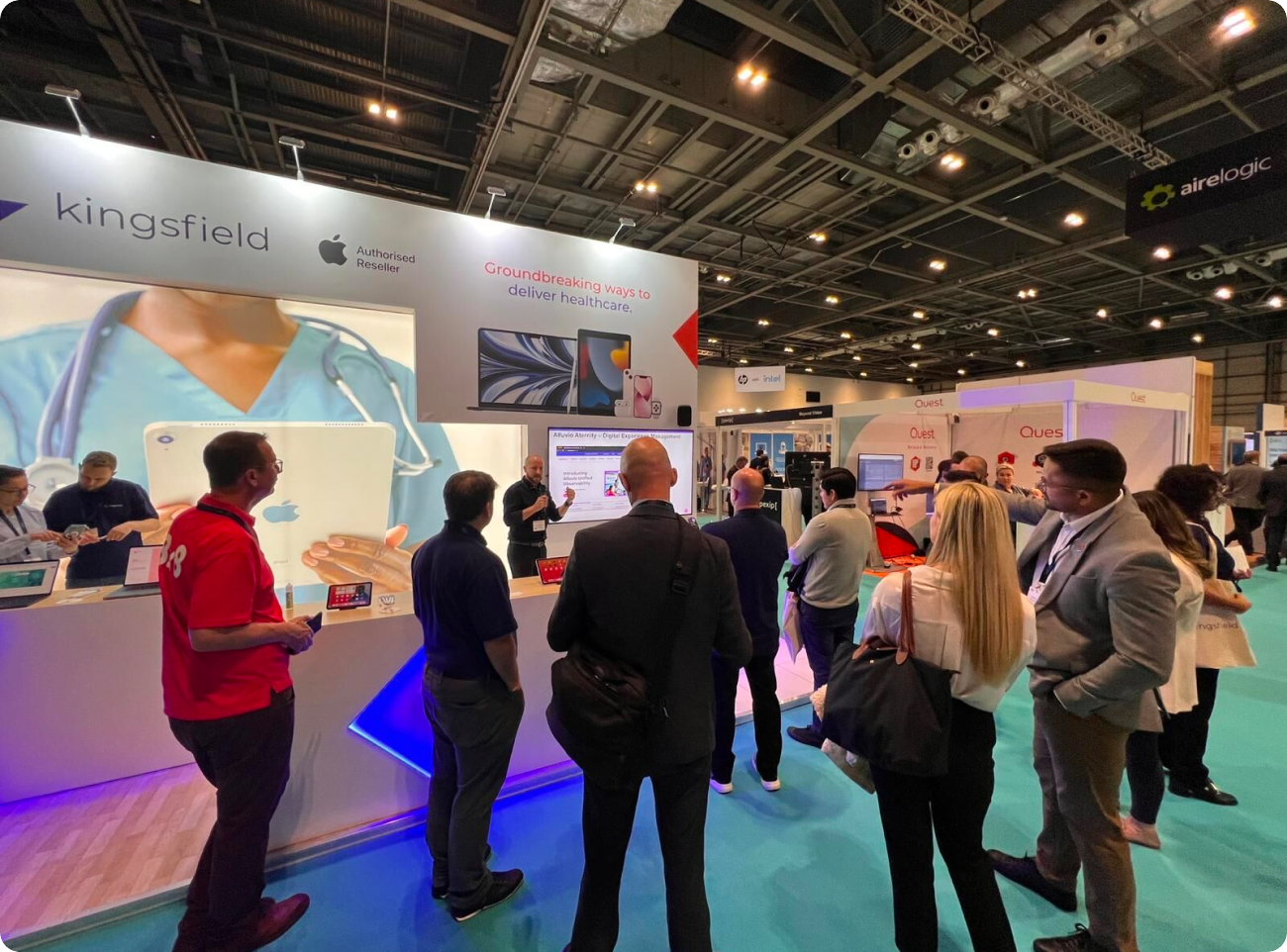
When planning a trade show, most exhibitors focus on stand design, technology, giveaways and visual impact. While these elements help attract attention, they are not what ultimately drives results. The real success of any exhibition strategy comes down to one critical factor: your people. Trade shows are human environments where conversations, behaviour and engagement determine whether opportunities are created or lost. If you want to improve exhibition ROI, lead generation and overall performance, you need to be far more intentional about how you select your booth team.
At Expo Stars, we have spent over 18 years supporting exhibitors across global trade shows, conferences and live events. During this time, we have seen a clear pattern: the highest-performing teams are not just trained well, they are selected using structured psychological principles. This approach has recently been strengthened through a collaboration with Psychology student Talia, from the University of Manchester during her work experience placement. Together, we explored how frameworks such as the Big Five personality traits, McClelland’s motivation theory, situational judgement and our iMA behavioural profiling model can be applied to recruitment to improve performance consistency, reduce risk and deliver stronger results on the show floor.
In this guide, we break down the key psychological principles you can use to select the right booth team, along with how we apply them in practice.
How to build a high performing booth team
1. Look Beyond First Impressions and Focus on Behaviour
It It is easy to select booth staff based on confidence, appearance or their cv. However, these factors do not reliably predict performance across a full exhibition.
Instead, focus on behavioural traits drawn from the Big Five personality model, particularly:
- Conscientiousness (reliability, organisation and discipline)
- Extraversion (confidence in social interaction)
- Emotional stability (ability to handle pressure and rejection)
At Expo Stars, we assess these traits to ensure we are selecting individuals who can deliver consistently, not just make a strong first impression.
2. Match Personality to Role Using iMA Behavioural Profiling
Not all booth roles require the same behavioural style, yet many exhibitors treat them as interchangeable.
Using the iMA behavioural profiling model, we align personality energy to role requirements:
- Blue energy (supportive, relationship-focused) is ideal for booth hosts
- Yellow energy (expressive, energetic) suits lead generators and engagers
- Green energy (analytical, structured) fits product demonstrators
- Red energy (decisive, results-driven) aligns with presenters and event managers
This approach ensures that individuals are not just capable, but naturally suited to the role they are performing.
3. We Prioritise Conscientiousness for Consistent Delivery
OOne of the strongest predictors of workplace performance is conscientiousness, a core Big Five trait.
In a trade show environment, this translates into:
- Turning up prepared and ready to deliver
- Following briefing guidelines and brand messaging accurately
- Maintaining high standards across long exhibition days
While charisma may attract attention, it is conscientiousness that ensures consistency and reliability throughout the event.
4. Select for Emotional Stability in High-Pressure Environments
Exhibitions are demanding environments where staff are expected to engage continuously, manage rejection, and remain positive under pressure.
We therefore assess emotional stability as part of our recruitment process. High-performing staff typically demonstrate:
- The ability to remain calm and composed in busy or challenging situations
- Professional handling of rejection or lack of engagement
- Consistent energy and attitude across the duration of the event
This resilience is essential for maintaining high-quality engagement throughout.
5. Align Motivation Using McClelland’s Theory of Needs
Understanding what motivates someone is just as important as understanding their personality.
Using McClelland’s Acquired Needs Theory, we assess whether individuals are driven by:
- Achievement (nAch) – focused on results and targets
- Affiliation (nAff) – motivated by social interaction and relationships
- Power (nPow) – driven by influence and leadership
For example, a high affiliation individual will naturally thrive in a lead generation role, while a high achievement individual may excel in structured, results-driven tasks.
Aligning motivation with the role leads to more natural, engaging and effective performance.
6. Assess Decision-Making with Situational Judgement
raditional interviews often rely on rehearsed answers, which do not reflect real behaviour.
To overcome this, we use Situational Judgement techniques, presenting candidates with realistic event scenarios to assess how they think and respond.
For example:
- How would they react if attendees are not engaging?
- How would they manage multiple conversations at once?
- What would they do if they do not know the answer to a question?
This allows us to evaluate practical decision making, adaptability and professionalism in real-world conditions.
7. Use Structured Scoring to Reduce Bias and Improve Selection
Recruitment in the events industry is often subjective. A structured approach improves consistency and accuracy.
At Expo Stars, we apply a scoring system across:
- Big Five personality indicators
- iMA behavioural energy
- Motivational drivers (McClelland)
- Situational judgement responses
This reduces bias, improves comparability between candidates and ensures we consistently select the right people for each role.
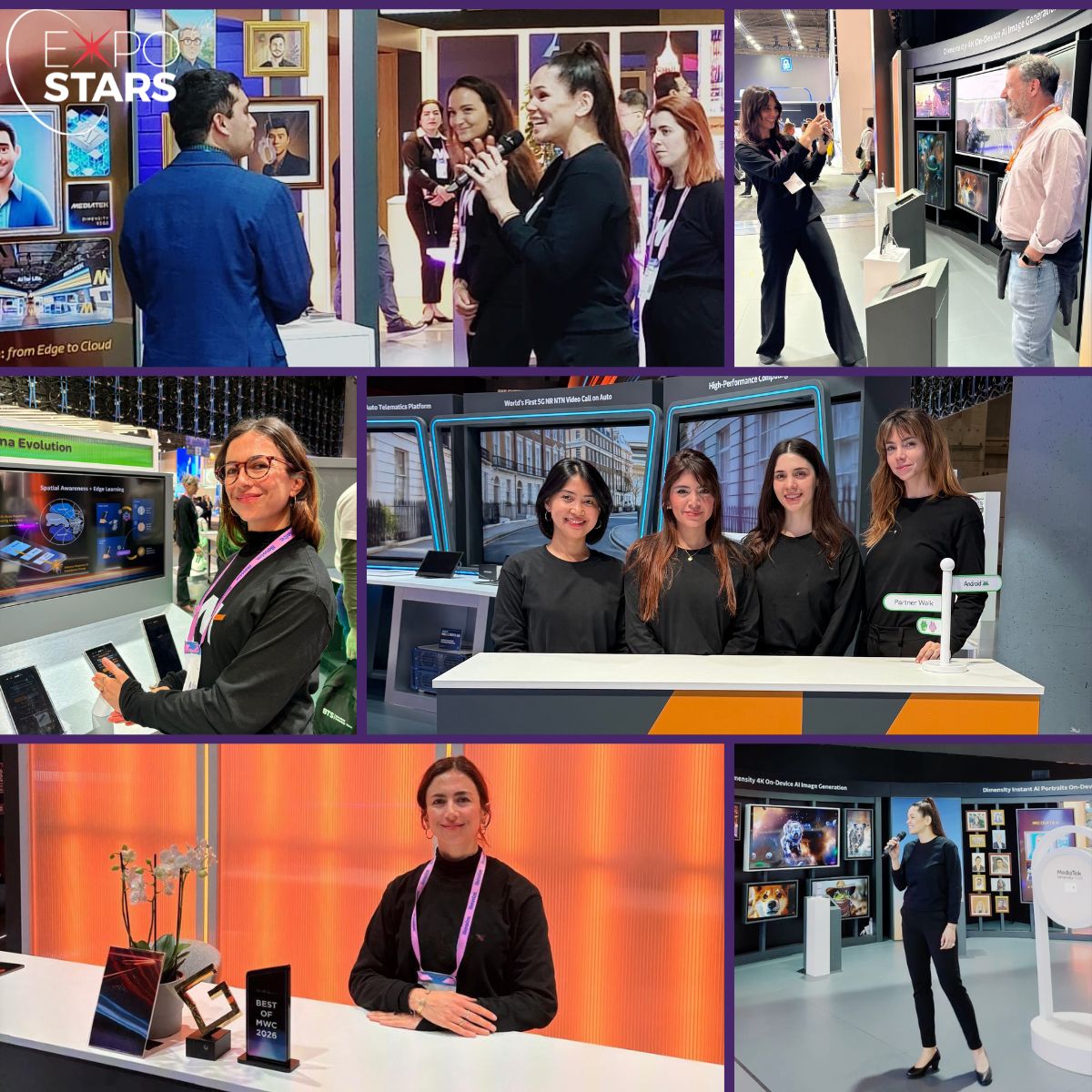
Why These Psychological Principles Improve Exhibition Results
Applying these principles is not just about better recruitment. It is about better performance where it matters most.
When the right people are selected and placed in the right roles, you will see:
- More meaningful and engaging conversations with attendees
- Better qualification of leads and clearer next steps
- Stronger collaboration across the team
- A more consistent and professional brand experience
This is what ultimately drives improved exhibition ROI.
Bringing It Back to Your Exhibition Strategy
Within the Trade Show Engagement Optimisation (TEO) framework, your people are central to the attendee journey.
They are responsible for:
- Creating the first impression
- Building rapport and trust
- Understanding attendee needs
- Guiding conversations towards meaningful outcomes
If your booth team is not selected with these outcomes in mind, your strategy will struggle to deliver results.
Want to Build a High-Performing Booth Team?
If you are unsure whether your current approach to selecting booth staff will deliver the results you need, it may be time to review your strategy.
At Expo Stars, we combine psychological insight with real-world exhibition experience to help you define roles, select the right people and build teams that deliver measurable results.
Contact us about professional booth staffing to review your current approach and identify how you can improve your exhibition performance.
Keep up to date with our latest events, tips and insights by following our Linkedin Page