
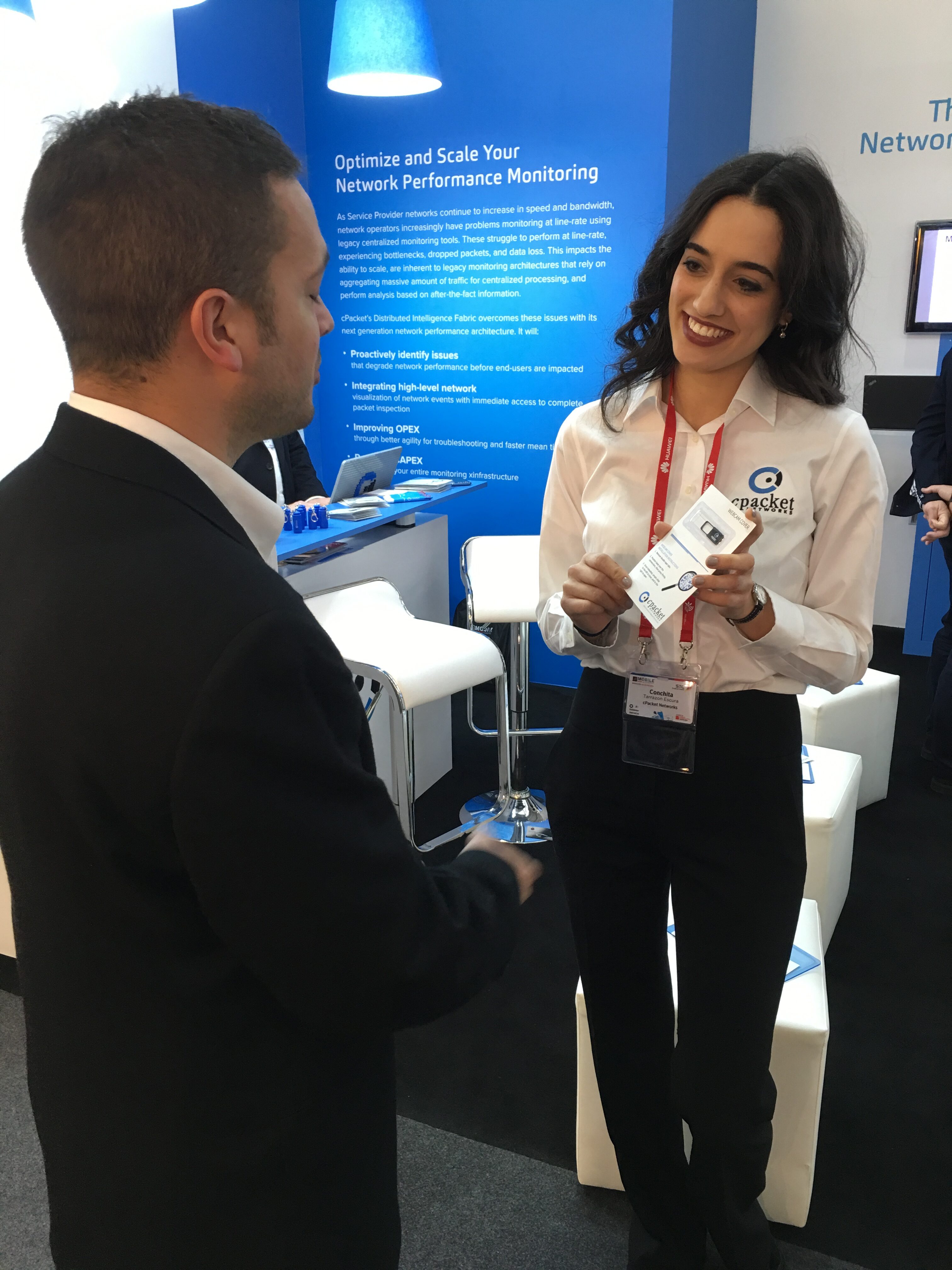
Most exhibition stands don’t fail because of poor design or lack of footfall.
They fail because conversations aren’t intentional.
Without a planned attendee journey, even the busiest stand struggles to turn conversations into real, measurable sales pipeline.
At Expo Stars, we see this every week:
- Stands that look great
- Teams having lots of chats
- Plenty of badge scans
And very little commercial outcome.
So how do you design an attendee journey that actually works?
What is an attendee journey on an exhibition stand?
An attendee journey is the planned experience someone has from the moment they notice your stand to the moment a next action is agreed.
It is not:
- A floor plan
- A stand design
- A staffing rota
It is:
- A conversation flow
- A decision pathway
- A qualification process
In simple terms, it is a live, human funnel happening on the show floor.
Why most exhibition stands fail to create pipeline
Most stands don’t lack effort. They lack structure.
Common reasons pipeline doesn’t materialise include:
- Everyone being treated as a lead
- Booth staff being told to “be friendly” without a clear objective
- Conversations that don’t lead anywhere
- Follow-up relying on memory instead of process
This is why exhibitors often say:
“We were busy all day… but nothing really came from it.”
Busy is not the same as effective.
At Expo Stars, this is exactly where we support exhibitors, through strategy, staffing, training and facilitation. We help define the attendee journey before the show, provide experienced engagement professionals on the stand, train internal teams to qualify conversations effectively, and facilitate meaningful interactions that lead to clear next steps. The result is not just more conversations, but better conversations that convert into measurable pipeline.
The 5-stage attendee journey that turns conversations into pipeline
Attraction: stopping the right people
Your stand should clearly signal who it is for and who it is not.
Effective attraction comes from:
- Problem-led messaging rather than features
- Visual cues that speak to a specific audience
- Staff positioned to invite conversation, not block it
If the right people don’t stop, the journey never starts.
Opening: earning permission to talk
The first 10 seconds shape the entire interaction.
The aim here is permission, not pitching.
Effective openers include:
- “What brings you to the show today?”
- “What are you hoping to get out of being here?”
- “Is this something you’re actively working on or just exploring?”
This immediately sets a human, value-led tone.
Conversation: creating value before selling
Pipeline is built when conversations are useful, even if nothing is sold on the spot.
Strong exhibition conversations:
- Explore context, not just needs
- Help the attendee think more clearly
- Share insight rather than brochures
Your team should be listening for:
- Current challenges
- Decision-making influence
- Timing and urgency
- Buying signals versus curiosity
If the conversation isn’t valuable, it won’t continue after the show.
Qualification: agreeing the right next step
Pipeline is not created by scanning a badge.
It is created when a clear next action is agreed.
Examples include:
- Booking a follow-up meeting
- Scheduling a demo
- Introducing another stakeholder
- Agreeing what will be reviewed after the show
No next step means no pipeline
Capture: recording context, not just data
What you capture matters more than how you capture it.
High-performing teams record:
- Why the person stopped
- What problem matters to them
- Level of intent
- The agreed next step
This allows sales teams to continue the conversation rather than restart it.
How booth staff make or break the attendee journey
Even the best-designed journey fails if staff:
- Don’t understand the commercial goal
- Aren’t confident qualifying conversations
- Don’t know when to disengage politely
Booth staff need:
- Clear outcomes, not scripts
- Confidence to guide conversations
- Permission to focus on quality over quantity
This is where exhibition ROI is either created or lost.
How do you measure if your attendee journey is working?
Ignore vanity metrics such as:
- Footfall
- Dwell time
- Number of badge scans
Focus instead on:
- Qualified conversations
- Meetings booked
- Opportunities created
- Pipeline value influenced
If it can’t be measured, it can’t be improved.
Frequently asked questions
Most effective qualification conversations last between 2 and 7 minutes. Longer conversations should only happen once relevance and intent are clear.
Context, intent level, and the agreed next step — not just contact details.
No. Footfall measures visibility, not value. Pipeline and qualified conversations are stronger indicators of ROI.
Final Thought
An exhibition stand that turns conversations into pipeline is built on intentionally designed attendee journeys, purposeful conversations and well-prepared people — not chance or footfall.
Visit News | Expo Stars for more insightful articles to support your exhibition success.
Stay up to date with the latest Expo Star News by following Expo Stars on Linkedin and our MD Lee Ali